Journal / Ingredients
What silk protein does for hair, in plain English
Silk has been a beauty ingredient for a long time. Here’s what “hydrolyzed” means and why the number on the label matters.
3 min read
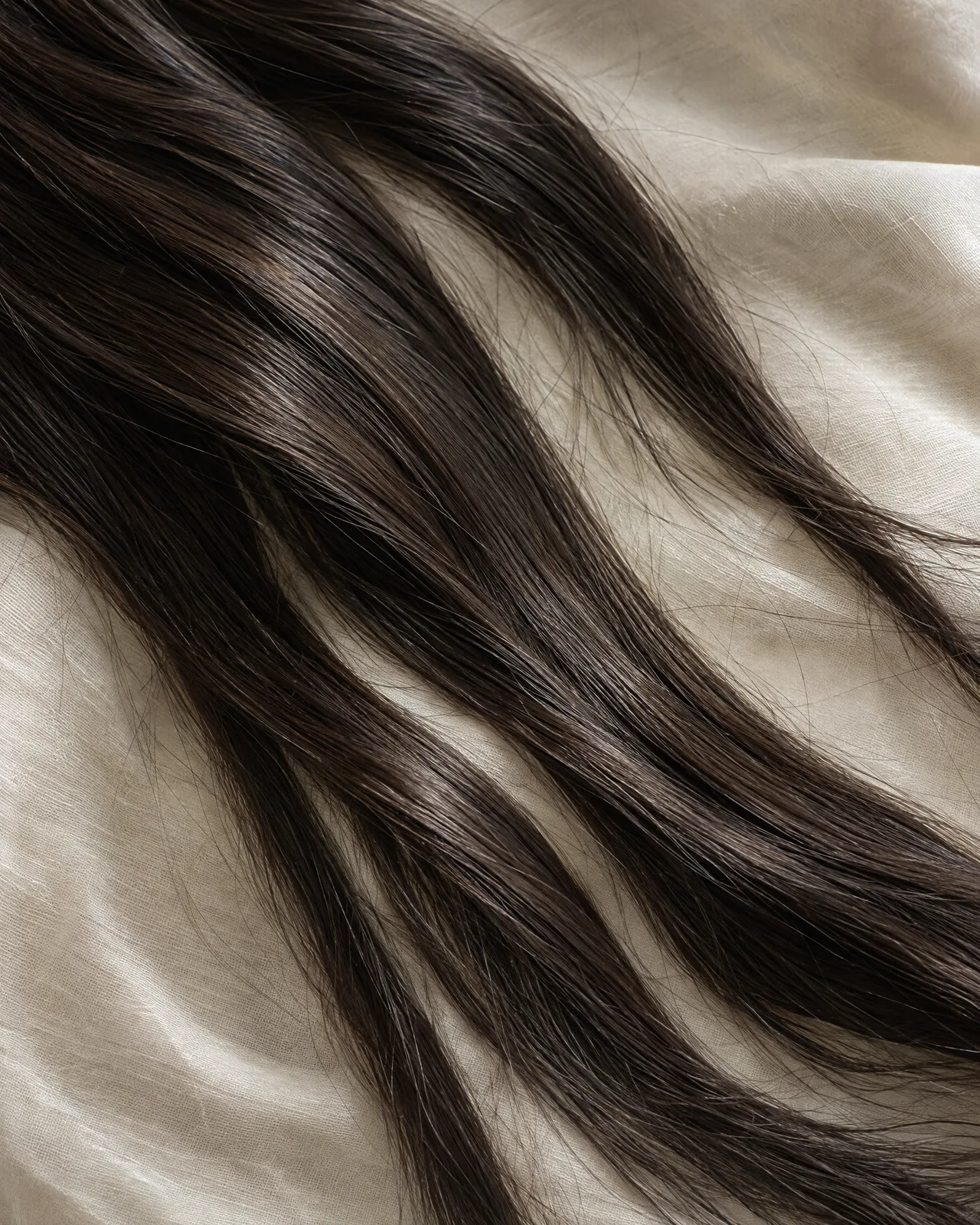
Silk is a protein fiber spun by silkworms. Hair is also mostly protein. That’s a large part of why silk has such a long history in hair care. But a silk thread can’t do much for your hair on its own. It has to be broken down first.
What hydrolyzed means
Hydrolyzed silk is silk that has been split into much smaller protein fragments using water. Those fragments dissolve into a cream, spread easily and can cling to the hair. The result is the feel people associate with silk: slip, softness and a smooth finish.
What 7,000 ppm means
Parts per million is a measure of concentration. 7,000 ppm works out to 0.7% of the formula. Many labels only tell you an ingredient is included. This one prints the number, right next to the ingredient’s name.
Where amino acids fit in
Amino acids are smaller still. They’re the units proteins are built from. In a cream, they work with the silk and the other conditioners to help hair hold moisture and feel more supple.
What it can’t do
No cream can permanently rebuild damaged hair. What a good conditioner can do is make hair feel softer, look smoother and tangle less. Keep using it, and keep trimming what’s past saving.